 TopTopics
Case Studies on Reducing Energy Costs through Smart Home Automation
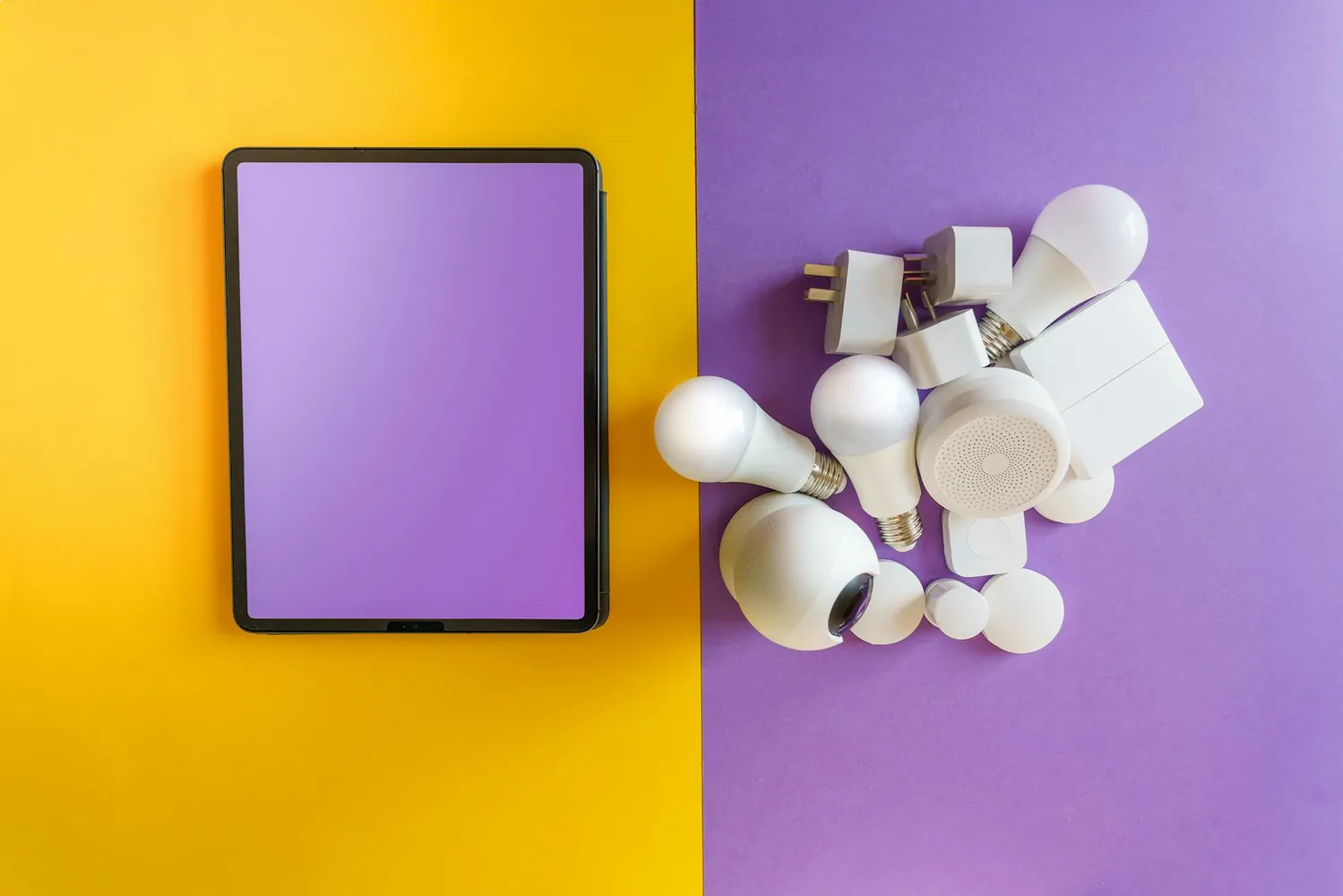
Embracing Smart Home Automation for Energy Efficiency
In an era where energy consumption directly impacts both the environment and household expenses, smart home automation emerges as a compelling solution. By leveraging technology to monitor and control various home systems, residents can significantly reduce energy costs.
This article delves into real-world case studies that showcase the effectiveness of smart home automation in reducing utility bills while enhancing efficiency.
The Core Components of a Smart Home System
Before diving into the case studies, it is essential to understand the basic components that make up a smart home system focused on energy efficiency:
- Smart Thermostats: Devices like the Nest or Ecobee learn from user habits and optimize heating and cooling schedules, often leading to substantial energy savings.
- Smart Lighting: LED lights combined with sensors that adjust based on natural light or occupancy can cut down unnecessary energy usage.
- Energy Monitoring Systems: Systems such as Sense or Neurio provide real-time data on energy consumption, identifying energy hogs in the household.
Understanding the Impact of Automation
The integration of these systems can initially seem costly, yet their impact often justifies the investment. Homeowners typically witness a 10-30% reduction in energy bills, according to industry studies. This decrease stems from improved efficiency and reduced waste through automated controls.
Case Study: The Henderson Family's Smart Transformation
The Hendersons, a family of four living in suburban Ohio, decided to tackle their rising energy costs by investing in a comprehensive smart home system. They installed smart thermostats, automated lighting solutions, and a robust energy monitoring platform.
Initial Setup and Costs
The initial investment for the Hendersons was approximately $2,000. This included two smart thermostats at $200 each, smart LED bulbs costing around $500 for the entire home, and an energy monitoring system for $300. Installation fees and additional hardware brought the total close to their budget.
Implementation Strategy
To maximize benefits, they adopted the following strategies:
- Optimized Scheduling: Using predictive algorithms, their thermostats adjusted heating and cooling based on weather forecasts and occupancy patterns.
- Efficient Lighting Control: Motion sensors ensured lights were only used when necessary, cutting down on waste.
- Monitoring and Alerts: Real-time alerts from their energy monitoring system helped identify peak usage times and eliminate phantom loads.
Results After One Year
The Henderson family experienced a remarkable 25% reduction in their annual energy bill, saving approximately $600 over the year. This not only covered a significant portion of their initial costs but also contributed to a more environmentally friendly lifestyle.
Case Study: Urban Apartment with Smart Solutions
Lindsey Turner lives in a compact city apartment and opted for smart solutions that align with her urban lifestyle. Her primary focus was reducing electricity consumption without sacrificing comfort.
Smart Appliances Integration
Lindsey invested in smart appliances such as a connected washing machine and refrigerator that could be controlled remotely. These appliances provided real-time data on energy usage and maintenance needs.
Impact of Smart Plugs and Power Strips
Strategically placed smart plugs allowed Lindsey to automate power schedules for devices like her television and computer, significantly reducing idle power consumption. Additionally, she used smart power strips to prevent vampire power draw from multiple devices in standby mode.
Tangible Savings
Within six months, Lindsey observed a 15% reduction in her electricity bills. While her apartment's smaller size limited potential savings compared to larger homes, the convenience and control she gained were invaluable.
Barriers to Adoption and Overcoming Them
Despite these success stories, several barriers hinder widespread adoption of smart home technologies:
- Upfront Costs: Initial investments can deter homeowners, though long-term savings often outweigh these costs.
- Lack of Awareness: Many potential users remain unaware of available technologies or underestimate their benefits.
- Technological Complexity: Some individuals may find setup processes daunting or lack confidence in managing digital interfaces.
To overcome these challenges, educational initiatives highlighting return on investment (ROI) and user-friendly designs can facilitate greater adoption. Encouragingly, prices for smart devices continue to drop as technology advances, making them accessible to a broader audience.
Future Trends in Smart Home Energy Management
The future of home automation points toward even greater integration and personalization. Anticipated trends include:
- AI-Driven Personalization: Advanced artificial intelligence (AI) will predict user preferences with higher accuracy, optimizing energy use without manual input.
- Improved Interconnectivity: As devices communicate better with each other through platforms like Matter, seamless energy management will become standard.
- Sustainable Technologies: Innovations in renewable energy integration within homes will complement automation efforts, further decreasing reliance on non-renewable resources.
The promise of these advancements is a future where homes are not just smart but intuitive partners in sustainable living.