 TopTopics
Enhanced Customer Experience through Automation at a Community Restaurant
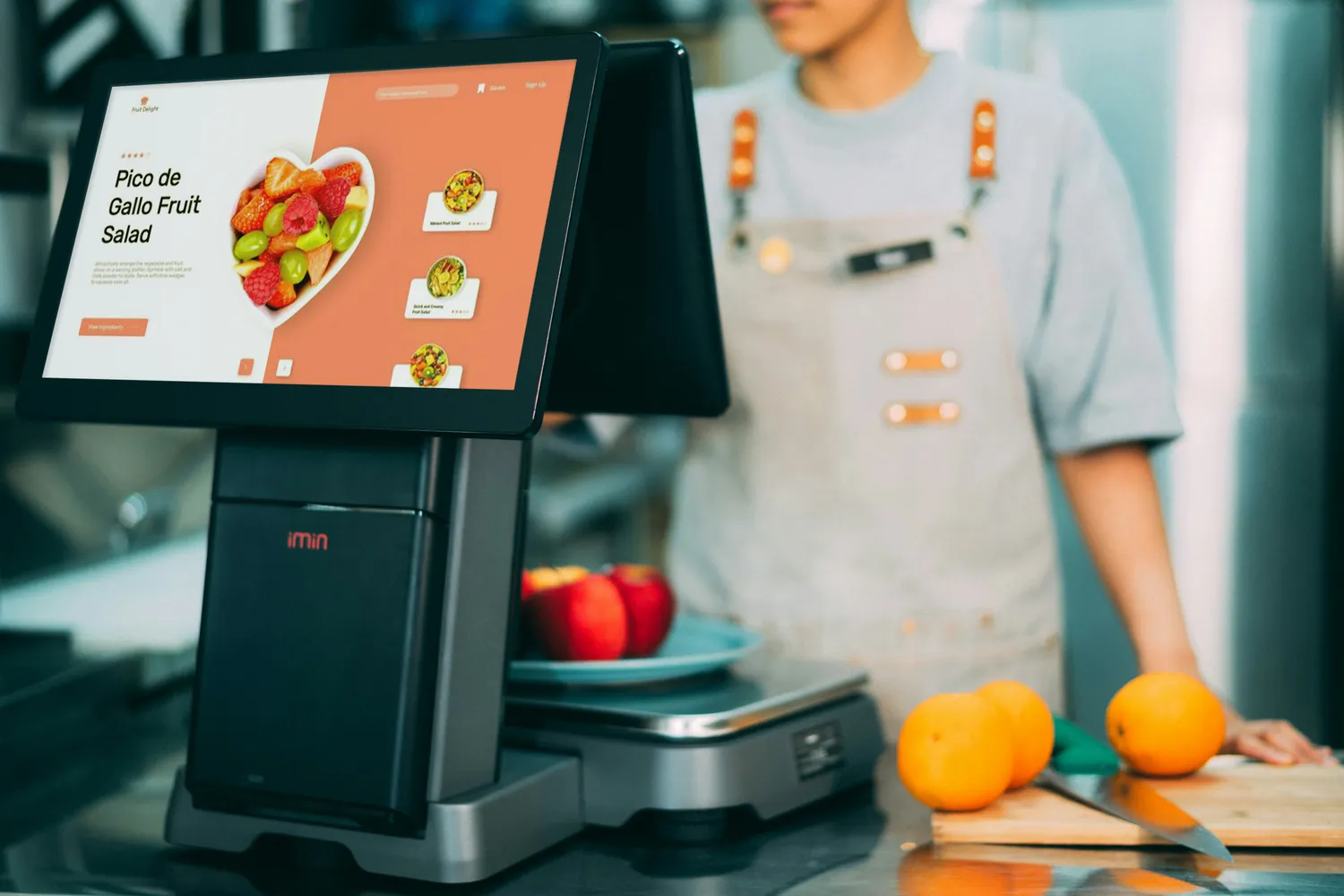
Transforming the Dining Experience with Automation
In the heart of a picturesque small town, nestled between the rolling hills and charming shops, lies 'The Riverside Eatery,' a quaint restaurant known for its homestyle cooking and friendly service.
But beneath its rustic charm, an invisible force drives the seamless operations that patrons have come to love—automation.
The Challenge: Streamlining Operations
Like many community restaurants, The Riverside Eatery faced challenges typical of the food industry: fluctuating customer numbers, high staff turnover, and the complexities of schedule management. To continue providing exceptional service without escalating labor costs, the restaurant's management turned to automation.
Identifying Key Pain Points
The restaurant initially faced issues such as:
- Last-minute employee schedule changes creating service gaps.
- Overstaffing during quiet periods and understaffing during rush hours.
- Difficulties in tracking employee availability and preferences.
The need was clear: a more efficient system that could automate scheduling while considering individual employee constraints and customer flow patterns.
Implementing Automated Scheduling Software
After evaluating several solutions, the restaurant implemented a robust automated scheduling software, SchedulePro, designed for hospitality businesses. The software offered features tailored to address their specific needs:
- Dynamic Scheduling: Automatically generates shifts based on predictive analytics from historical data.
- Real-Time Adjustments: Allows on-the-fly changes if a staff member calls in sick or if an unexpected rush occurs.
- Employee Portal: Empowers employees to input their availability, swap shifts, and set preferences.
This solution not only streamlined operations but also empowered staff by giving them more control over their work-life balance.
The Impact on Staff Management
The introduction of automation reshaped how The Riverside Eatery managed its team. Let's explore some key transformations:
Improved Efficiency and Morale
The automated system significantly reduced time spent on manual scheduling from hours each week to mere minutes. Employees appreciated the transparency and flexibility, leading to improved morale and reduced turnover.
Cost-Effective Labor Management
By aligning staffing needs more closely with actual demand, the restaurant optimized its labor costs. The ability to make data-driven decisions ensured that staffing levels were just right, avoiding unnecessary expenditures.
Enhancing Customer Satisfaction
Beyond internal efficiencies, automation played a crucial role in enhancing the dining experience for customers. Here's how:
Smooth Service Delivery
With better-staffed shifts, customers experienced consistent service quality, regardless of the time or day they visited. Wait times reduced significantly, and staff were more attentive, contributing to higher customer satisfaction scores.
Personalized Dining Experiences
The freed-up time allowed management to focus on personal touches. For instance, regular patrons began receiving personalized greetings and dish recommendations based on their past preferences, thanks to integration with the restaurant's CRM system.
A Practical Framework for Restaurant Automation
If you're considering automating your restaurant operations, here’s a practical mini-framework you can follow:
1. Assess Your Needs
- Identify areas where automation could alleviate pain points, such as scheduling, inventory management, or customer engagement.
2. Choose the Right Tools
- Select software solutions that align with your specific needs. Ensure they offer integration capabilities with existing systems for a smooth transition.
3. Involve Your Team
- Engage staff early in the process. Seek their input on schedules and preferences to ensure the automated solutions meet everyone's needs.
4. Monitor and Iterate
- Regularly review performance metrics to assess the impact of automation. Be open to adjusting workflows or tools as necessary.
Conclusion: A Recipe for Success
The case of The Riverside Eatery illustrates how even small-town restaurants can leverage technology to enhance both operational efficiency and customer satisfaction. By thoughtfully implementing automation, businesses can create environments where both employees and patrons thrive. As this story shows, automation isn’t just about replacing human touch but augmenting it in ways that build stronger, happier communities.