 TopTopics
The Future of Supply Chains: Harnessing Automation for Better Efficiency
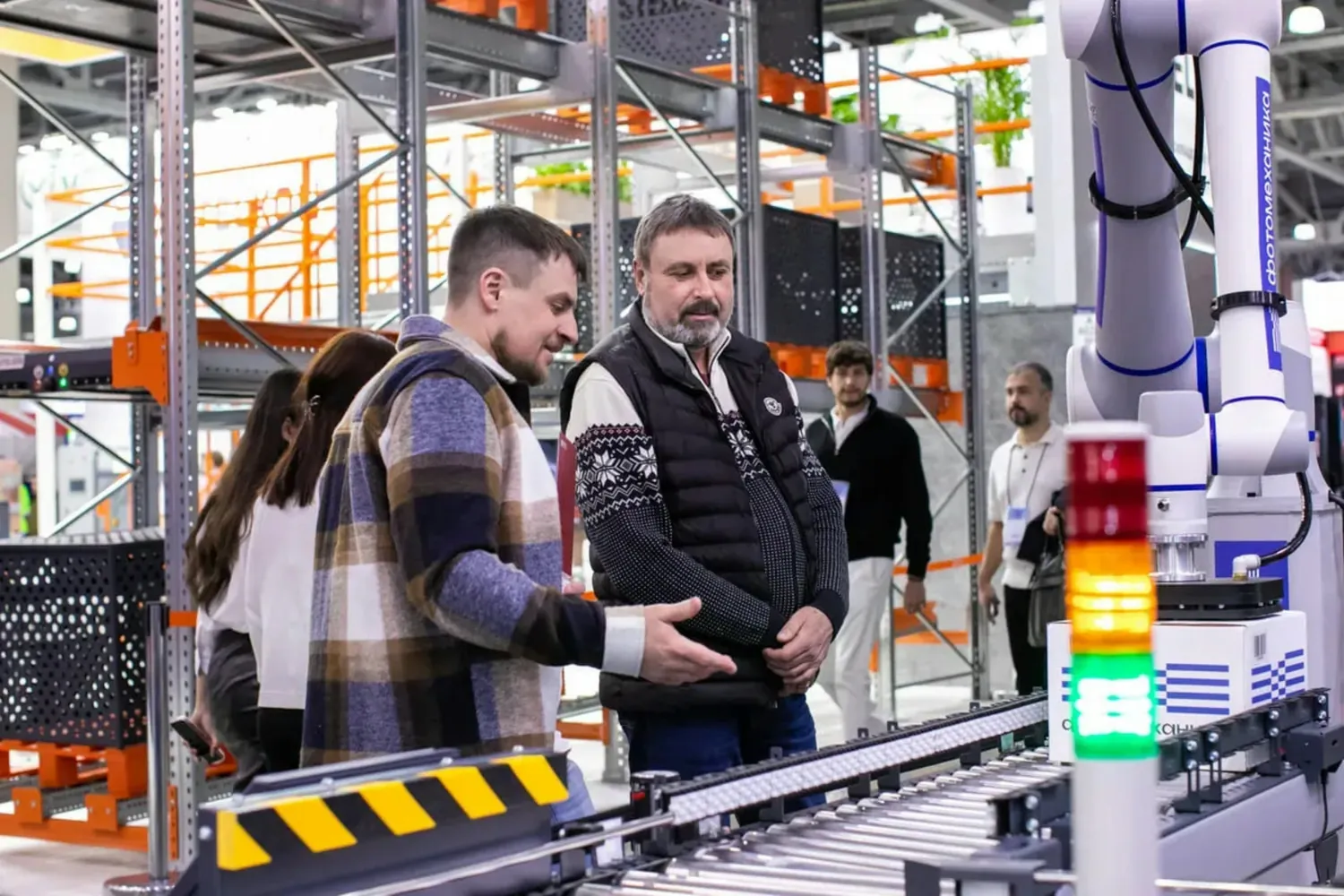
The Changing Landscape of Supply Chains
The landscape of supply chains is rapidly evolving, influenced by the fast-paced advancements in technology. Companies are increasingly turning towards automation to address challenges in logistics operations, aiming to reduce human error and enhance overall efficiency.
Automation technologies such as robotics and artificial intelligence (AI) are at the forefront of this transformation, driving a revolution in how goods are produced, managed, and delivered.
Key Automation Technologies Shaping Supply Chains
Several key technologies are pivotal in reshaping supply chains through automation. Each offers unique benefits that can significantly optimize logistics operations.
Robotics
Robotic systems are increasingly used in warehouses and distribution centers to automate repetitive tasks. Robots can handle sorting, packing, and transporting goods with precision and speed unmatched by human labor.
- Example: Amazon utilizes robots in its fulfillment centers to move shelves and items to human workers, streamlining the picking process.
- Automated Guided Vehicles (AGVs) operate on preset paths to transport goods across large warehouse spaces efficiently.
Artificial Intelligence (AI)
AI plays a critical role in supply chain automation by enhancing decision-making capabilities. Machine learning algorithms analyze vast datasets to predict demand, optimize inventory levels, and manage supply chain risks.
- Example: IBM's Watson is used by various logistics companies to predict demand fluctuations and adjust supply chain operations accordingly.
- AI-driven analytics provide insights into customer buying patterns, helping businesses adjust their logistics strategies proactively.
Impact of Automation on Logistics Operations
The integration of automation technologies in supply chains results in substantial improvements across various facets of logistics operations.
Enhanced Efficiency and Speed
Automation significantly boosts operational speed by reducing manual handling time. For instance, automated sorting systems can process thousands of packages per hour compared to human-operated systems.
Error Reduction
Automation minimizes human error, a common issue in manual processes. Robotic systems maintain high precision levels, ensuring accurate order fulfillment and reducing the incidence of returns due to errors.
Cost Savings
While the initial investment in automation technology can be high, the long-term cost savings are substantial. Automated systems lower labor costs and improve energy efficiency, leading to a decrease in overall operational expenses.
Real-World Examples of Automation Success
Several leading companies have successfully harnessed automation technologies to revolutionize their supply chain operations.
Zara: Fast Fashion with Faster Fulfillment
Zara uses automated inventory management systems to quickly respond to fashion trends. By leveraging AI and robotics, Zara can adjust production and distribution swiftly, keeping its product offerings fresh and aligned with market demand.
DHL: Advanced Warehousing Solutions
DHL employs smart warehouses where robotics and AI coordinate complex logistical tasks. Their "autonomous guided vehicles" facilitate seamless transportation within warehouses, while AI optimizes route planning for delivery vehicles.
A Practical Framework for Implementing Automation
For companies looking to integrate automation into their supply chains, a structured approach can ease the transition and maximize benefits:
- Assess Current Processes: Conduct a thorough audit of current logistics operations to identify areas where automation could deliver the most significant impact.
- Select Appropriate Technologies: Choose automation solutions tailored to your specific needs—consider whether robotics, AI, or a combination will best serve your objectives.
- Plan Implementation: Develop a phased implementation plan that includes testing and gradual scaling to mitigate risks associated with large-scale deployments.
- Train Employees: Invest in employee training programs to equip your workforce with the skills needed to work alongside new technologies effectively.
- Monitor and Optimize: Continuously monitor performance metrics post-implementation and refine processes as needed to achieve desired outcomes.
Challenges and Considerations
Despite its benefits, implementing automation in supply chains presents certain challenges that companies must navigate carefully.
Integration Complexity
The integration of new automation technologies with existing systems can be complex, requiring careful planning and execution. Ensuring compatibility between old and new systems is crucial for seamless operation.
Workforce Transition
The shift towards automation can lead to workforce displacement. Companies need strategies to reskill employees for new roles that complement automated processes, maintaining morale and job satisfaction.
The Road Ahead: Future Trends in Supply Chain Automation
The future of supply chain automation holds exciting possibilities. Technologies such as blockchain offer promising prospects for increasing transparency and security in supply chains. Additionally, advancements in Internet of Things (IoT) devices can provide real-time tracking of goods, further enhancing efficiency.
Blockchain for Enhanced Transparency
Blockchain technology ensures every transaction is recorded transparently and immutably, allowing all parties in the supply chain to access up-to-date information on product status and history.
IoT-Driven Logistics
IoT devices can provide continuous monitoring of goods during transit. Sensors tracking temperature, humidity, and location ensure products are transported under optimal conditions, reducing spoilage and damage.
Conclusion: Embracing Change for Competitive Advantage
The adoption of automation technologies in supply chains is not just an option but a necessity for companies seeking a competitive edge. By embracing these advanced technologies, businesses can optimize their logistics operations, reduce errors, and increase efficiency—ultimately positioning themselves for success in a rapidly changing marketplace.