 TopTopics
Integrating VR into Language Education for Real-Life Conversational Practice
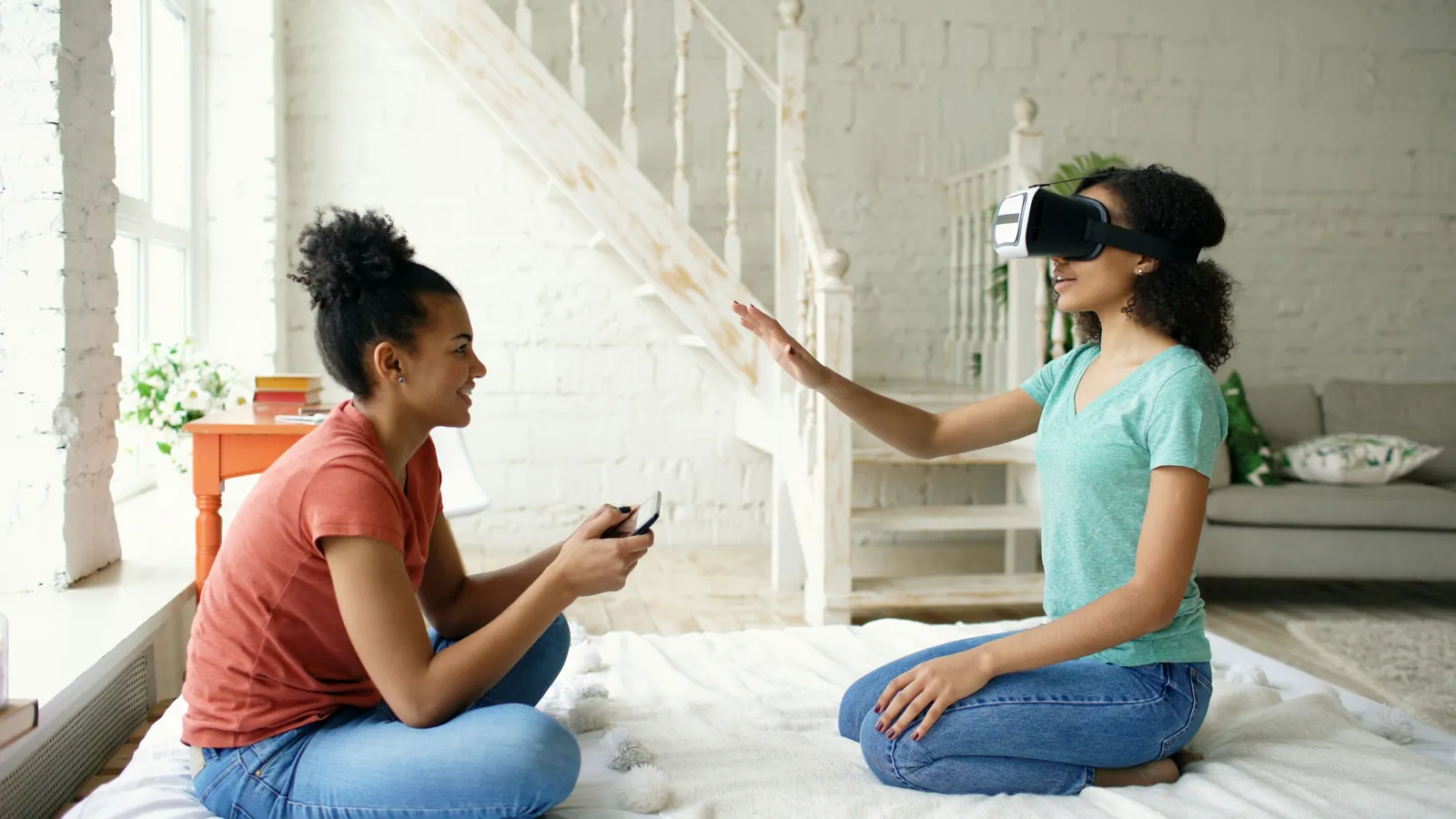
The Power of Virtual Reality in Language Learning
Virtual reality (VR) has emerged as a transformative tool in various sectors, and education is no exception. Its immersive nature makes it particularly effective for language learning by providing interactive and realistic environments where students can practice their conversational skills.
This article explores the integration of VR into language education, focusing on how it can replicate real-life scenarios, thereby enhancing both linguistic abilities and cultural understanding.
Why VR in Language Education?
The traditional language classroom often lacks the dynamic interaction found in native speaking environments. While textbooks and audio resources offer foundational knowledge, they fall short in mimicking the spontaneity of real-world conversations. VR fills this gap by simulating authentic situations, such as ordering food in a restaurant or navigating public transportation in a foreign country. This approach provides immediate feedback and builds confidence among learners.
Moreover, VR offers the opportunity to experience cultural nuances firsthand, something that is difficult to convey through text alone. Learners can observe non-verbal cues, practice appropriate social norms, and even understand dialectical variations, contributing to a more rounded educational experience.
Implementing VR in the Classroom: Practical Steps
1. Selecting Appropriate VR Content
The first step towards integrating VR into language education is choosing the right content that aligns with curricular goals. Educators should evaluate various VR applications, prioritizing those designed specifically for language acquisition. Platforms like ImmerseMe or Mondly VR provide tailored experiences for learners at different proficiency levels.
- Interactive Dialogues: Ensure the platform offers rich interactive dialogues rather than static scenarios.
- Cultural Contexts: Choose environments that reflect real-world cultural settings to enhance understanding.
- Skill Levels: Opt for platforms that adapt to varying language proficiencies, allowing students to progress at their own pace.
2. Preparing the Educational Environment
Incorporating VR into a language curriculum requires not only the technology but also a supportive learning environment. Teachers should be trained to facilitate VR sessions effectively and troubleshoot technical issues as they arise. This preparation includes:
- Technology Setup: Ensure all equipment is functional and easily accessible. Consider headsets like Oculus Quest or HTC Vive for their user-friendly interfaces.
- Teacher Training: Conduct workshops to familiarize educators with VR tools and methodologies.
- Integration Strategies: Plan sessions that complement existing curricula rather than replacing traditional methods entirely.
3. Structuring Lessons with VR
When structuring lessons around VR experiences, it is crucial to maintain a balance between immersion and reflection. A typical lesson plan might include the following phases:
- Pre-Immersion: Introduce vocabulary and context before engaging with VR to prepare students mentally.
- VR Session: Allow students to interact within the virtual environment, encouraging active participation and spontaneous conversation.
- Post-Session Discussion: Hold a debriefing session to discuss experiences, difficulties encountered, and cultural insights gained.
The Benefits of Immersive Language Learning
Enhanced Retention and Engagement
The immersive quality of VR results in higher retention rates due to the active participation it requires from learners. According to studies, interactive learning environments can increase retention rates by up to 75%, compared to 5-10% from traditional lecture-based learning.
This increase in retention is complemented by heightened engagement levels. The gamified aspects of many VR applications capture student interest, motivating them to practice outside standard classroom hours. By simulating real-life challenges, VR keeps learners invested in the language acquisition process.
Cultural Competency Through Simulation
Cultural competency is an integral part of mastering a new language. By providing access to diverse environments and scenarios, VR allows students to gain insight into different cultures directly. For instance, participating in a virtual family dinner in France can teach etiquette that goes beyond basic language skills.
This exposure promotes empathy and respect for different cultures, essential qualities in today’s globalized world. It helps dismantle stereotypes and encourages open-mindedness, preparing students to engage meaningfully with people from various backgrounds.
Challenges and Considerations
Technological Limitations
While VR offers numerous advantages, it is not without challenges. High-quality VR equipment can be costly, presenting budgetary constraints for many educational institutions. Additionally, some students may experience motion sickness or discomfort during prolonged use of VR headsets.
A practical solution could involve shared resources or rotational schedules where smaller groups use the equipment at different times. Educators must also be mindful of individual student needs, ensuring breaks and offering alternative tasks if necessary.
Balancing Virtual and Real-World Practice
An over-reliance on virtual environments might lead to a neglect of real-world practice opportunities. It is crucial to blend VR sessions with face-to-face interactions where possible. Organizing language exchange programs or conversational clubs can provide additional practice avenues.
This hybrid approach ensures that while students benefit from advanced technology, they do not lose touch with the realities of human interaction, which remains the ultimate goal of language learning.
The Future of Language Education with VR
The integration of VR into language education signifies a shift towards more interactive and culturally aware teaching methodologies. As technology continues to evolve, we can anticipate even more sophisticated platforms that offer personalized learning paths, instantaneous feedback mechanisms, and global connectivity for collaborative projects across borders.
The potential for collaboration between educators and technologists holds promise for refining these tools further. Ultimately, the goal is to create an ecosystem where language learners are not only proficient speakers but also culturally literate global citizens ready to navigate an increasingly interconnected world.