 TopTopics
Student Engagement Boost: Effective Strategies for Innovative Assessment Practices
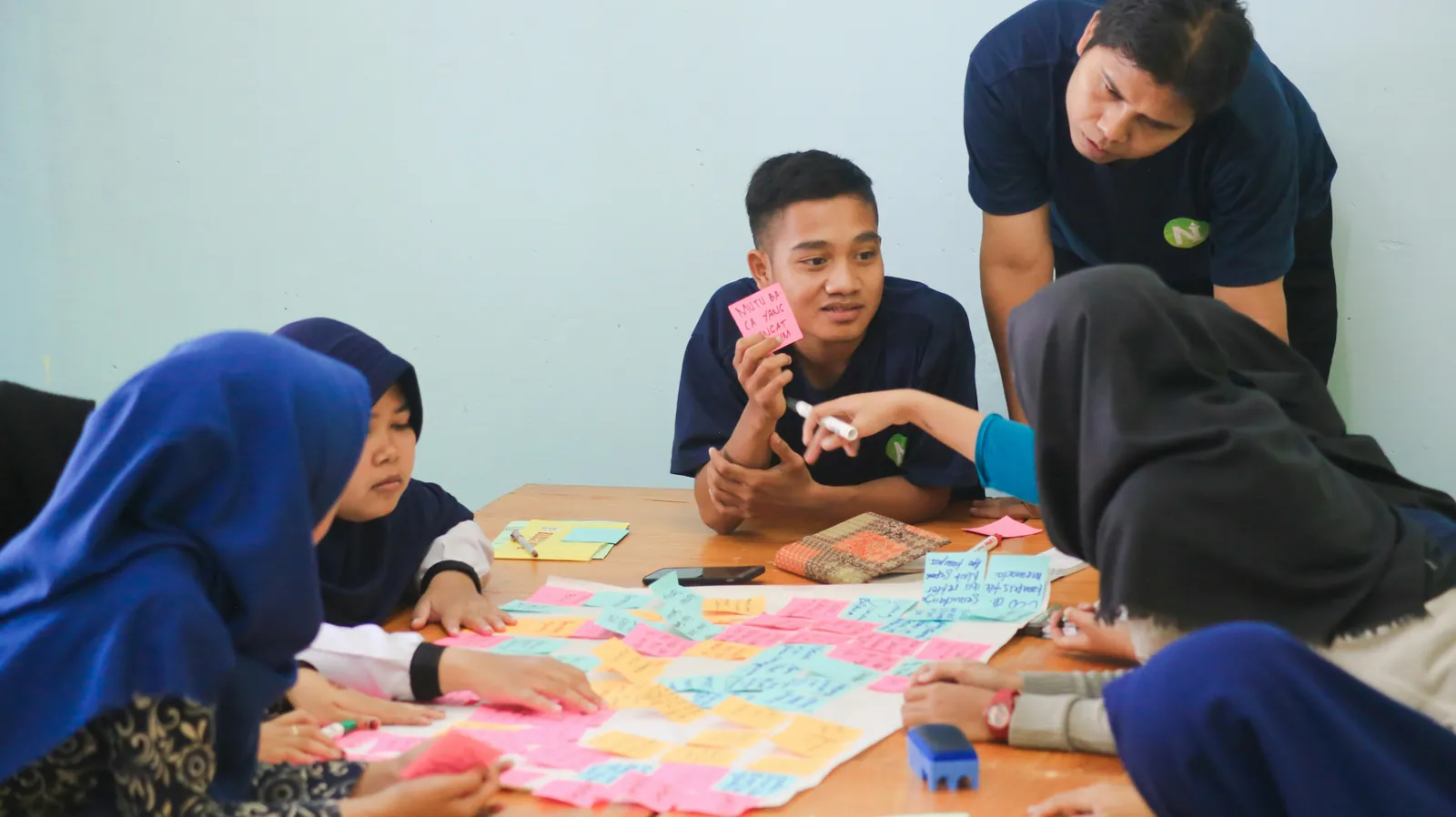
Beyond Standardized Testing: A New Era of Assessment
Standardized testing has long been the cornerstone of educational assessment. However, educators and stakeholders increasingly recognize that these tests often fail to capture the depth of a student's learning and capabilities. Instead, a growing movement advocates for innovative assessment methods that not only engage students but also provide a more accurate reflection of their learning outcomes.
These methods include project-based learning, portfolios, and more.
Project-Based Learning: Engaging Students in Real-World Problems
Project-Based Learning (PBL) is an instructional methodology that encourages students to learn by engaging them in meaningful projects. PBL emphasizes critical thinking, creativity, and collaboration as students work to solve real-world problems.
Implementing Project-Based Learning
To implement PBL effectively, educators should start by identifying core learning objectives. From there, they can design projects that require students to apply these objectives in practical scenarios. For instance:
- Science Classes: Students might investigate local environmental issues and propose sustainable solutions.
- History Classes: Learners could create documentaries about historical events using primary sources.
- Mathematics Classes: Pupils could design models to solve community infrastructure challenges.
By focusing on these hands-on projects, students not only learn curricular content but also develop valuable life skills.
The PBL Workflow
A successful PBL framework might follow this workflow:
- Kick-off: Introduce the project with a compelling question or challenge.
- Research and Inquiry: Guide students as they gather information and resources.
- Collaboration: Encourage group work and peer-to-peer feedback sessions.
- Creation and Design: Allow students time to build their project using creative tools.
- Presentation: Have students present their findings or products to the class or community audience.
This structured approach helps maintain focus and ensures comprehensive learning experiences.
Portfolios: Documenting Growth Over Time
A portfolio is a collection of a student’s work that demonstrates learning progress, achievements, and areas for improvement over time. Unlike standardized tests, portfolios provide a continuous narrative of a student's learning journey.
Setting Up Effective Portfolios
To set up effective portfolios, consider the following tips:
- Select a Platform: Use digital tools like Seesaw or Google Sites to compile work electronically, making it easier to share with parents and educators.
- Diversify Content: Include various forms of work such as essays, projects, videos, and reflections to capture different skills and competencies.
- Regular Updates: Schedule consistent times throughout the semester for students to update their portfolios, ensuring they reflect recent learning experiences.
The Role of Reflection
An integral part of portfolio-based assessment is student reflection. Encourage students to write about what they learned from each piece of work, how they overcame challenges, and what they would do differently in the future. This metacognitive element deepens understanding and engagement.
Peer Assessment: Fostering a Collaborative Learning Environment
Peer assessment involves students evaluating each other’s work. This practice not only boosts engagement by making assessments more interactive but also develops critical thinking skills as students critique others’ ideas.
Facilitating Effective Peer Assessment
To facilitate successful peer assessment:
- Create Clear Criteria: Provide rubrics with specific criteria to guide student evaluations and ensure consistency.
- Train Students: Educate students on how to give constructive feedback. Role-playing feedback sessions can be beneficial.
- Build a Trusting Environment: Establish a classroom culture where feedback is seen as a tool for growth rather than criticism.
This method helps learners see multiple perspectives and enhances their ability to self-assess in the future.
The Mini-Framework: Applying Innovative Assessment in Classrooms
This mini-framework offers practical steps educators can take to integrate innovative assessment strategies effectively:
- Identify Objectives: Define clear learning goals that align with the curriculum and real-world applications.
- Select Methods: Choose between PBL, portfolios, peer assessment, or a blend based on classroom dynamics and resources available.
- Design Assessments: Craft assessments that encourage higher-order thinking and problem-solving beyond rote memorization.
- Engage Stakeholders: Communicate with parents and administrators about new assessment strategies to garner support and resources.
This framework serves as a starting point for educators aiming to revitalize their assessment practices and enhance student engagement meaningfully.