 TopTopics
Compatibility Insights: When to Use Qi, PMA, or AirFuel Technology
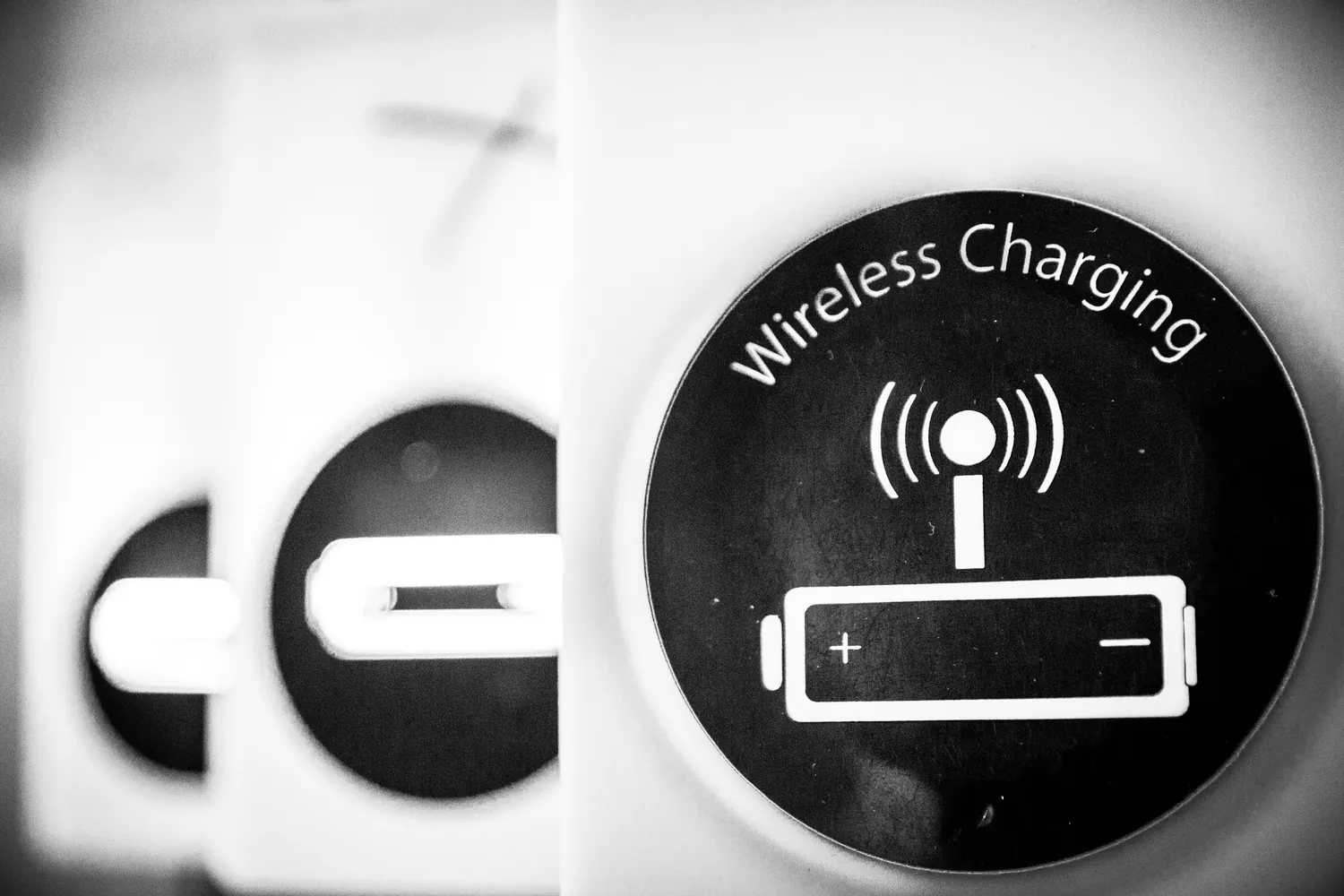
Understanding Wireless Charging Technologies
Wireless charging has become an integral part of modern gadgetry, offering convenience by eliminating the need for cables. However, navigating the landscape of wireless charging standards can be a bit confusing, particularly when faced with options like Qi, PMA, and AirFuel.
Each technology has its unique characteristics that determine compatibility, efficiency, and usability across devices.
In this article, we will dive deep into these technologies, examining their core differences and providing insights on which might best suit your gadgets and needs.
Qi Wireless Charging
What is Qi?
Qi (pronounced "chee") is the most widely adopted wireless charging standard globally, developed by the Wireless Power Consortium (WPC). It uses inductive charging technology, where power is transferred between two devices via electromagnetic fields.
Compatibility and Efficiency
Qi technology is synonymous with convenience. Its high level of compatibility with a wide range of devices — from smartphones to smartwatches — makes it a popular choice. Most flagship smartphones, including Apple's iPhone and Samsung's Galaxy series, come equipped with Qi compatibility.
Efficiency varies with power output levels; typical Qi chargers offer around 5W to 15W of power. Newer iterations now support higher outputs for faster charging, such as the 30W options for certain smartphone models.
Pros and Cons
- Pros: High compatibility, ease of use, vast availability of products and accessories.
- Cons: Generally slower charging speeds compared to wired options, especially at lower wattages.
Practical Tips for Using Qi
When using Qi chargers, placement is key. Ensure your device is properly aligned on the charging pad to maintain a stable charge. Additionally, avoid using thick cases or metal objects between your device and the charger, as these can interfere with charging efficiency.
PMA Wireless Charging
What is PMA?
The Power Matters Alliance (PMA) developed another inductive charging standard similar to Qi. Though it shared similarities, PMA was primarily focused on commercial applications before eventually merging with AirFuel.
Compatibility and Efficiency
PMA found its way into various public spaces due to its adoption by major players like Starbucks and McDonald's for public charging stations. However, its presence in consumer electronics is less pervasive compared to Qi.
PMA technology supports similar power outputs as Qi, but finding compatible devices can be more challenging since many manufacturers opted for Qi as their primary standard.
Pros and Cons
- Pros: Found in public spaces, strong integration in specific commercial applications.
- Cons: Limited device compatibility in personal electronics, largely overshadowed by Qi.
When to Use PMA
If you frequently find yourself in public spaces equipped with PMA chargers, having a PMA-compatible device or accessory could enhance your ability to charge without carrying extra equipment.
AirFuel Technology
What is AirFuel?
AirFuel represents the merger of PMA and another consortium known as A4WP (Alliance for Wireless Power). The resulting standard encompasses both inductive and resonant charging technologies. Resonant technology offers more flexibility regarding the distance between the charger and device.
Compatibility and Efficiency
The resonant component of AirFuel allows devices to charge over greater distances compared to strict contact-based methods like those used by Qi and PMA. This can enhance user experience by providing more forgiving placement and broader implementation scenarios, such as embedding chargers in furniture or vehicles.
AirFuel's adaptability lends itself well to applications beyond simple smartphone charging, including medical devices and wearables.
Pros and Cons
- Pros: Flexible charging distances, potential for innovative applications beyond conventional electronics.
- Cons: Less mainstream adoption in personal electronics compared to Qi; often more expensive solutions.
Innovative Uses of AirFuel
A noteworthy case study involves hospital settings where AirFuel technology has been used to power medical monitoring devices wirelessly. This reduces cable clutter and enhances patient comfort by minimizing equipment tethering.
Selecting the Right Technology for Your Gadgets
Key Considerations
- Device Compatibility: Check whether your gadgets are compatible with any of these standards. Most smartphones tend towards Qi, but niche gadgets may leverage AirFuel's capabilities.
- User Environment: Consider where you intend to charge your devices most frequently. Public users might benefit more from PMA if regularly using compatible public spaces.
- Charging Speed Requirements: For those needing quick charges often, exploring high-power Qi solutions or specific AirFuel setups might be beneficial.
An Example Workflow for Busy Professionals
A busy professional with a mix of personal and work gadgets might set up their workspace with a versatile charger capable of supporting both Qi and AirFuel standards. This setup allows effortless transition between charging devices like phones, earbuds, and even tablets while utilizing an AirFuel charger embedded within their desk to power laptops and larger devices without additional clutter.
The Future of Wireless Charging
The wireless charging landscape continues to evolve with technology advances. Future developments are likely to focus on increasing power transfer efficiency and extending the range at which devices can charge efficiently. As technology becomes more integrated into everyday objects—from kitchen countertops to automotive interiors—consumers will benefit from more seamless charging experiences.
The choice between Qi, PMA, or AirFuel ultimately depends on personal needs, existing device ecosystems, and intended applications. By understanding each technology's strengths and limitations, users can make informed decisions that align with their tech-savvy lifestyles.