 TopTopics
Factors That Influence the Selection of a Smart Thermostat for Homes
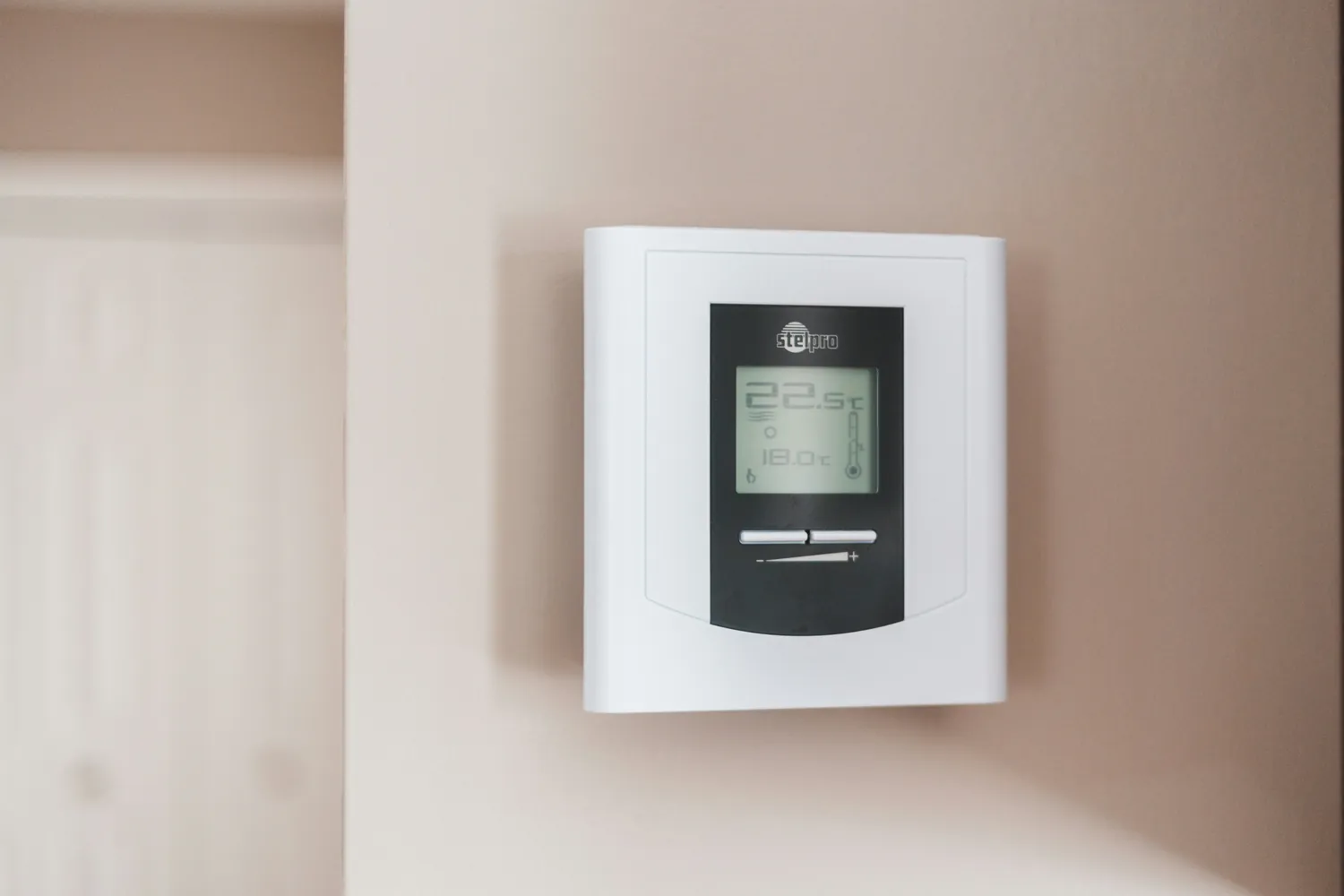
Understanding Smart Thermostats
Smart thermostats are not just simple temperature controllers; they are complex devices that integrate with your home’s HVAC system to optimize energy usage and provide remote control and automation features.
Selecting the right smart thermostat involves considering several factors that affect their efficiency and compatibility with your home.
Key Features to Consider
Energy Efficiency Ratings
One of the primary reasons homeowners opt for smart thermostats is their potential for energy savings. Energy efficiency ratings can help you determine how much energy a thermostat is likely to save compared to conventional models. Look for thermostats with Energy Star certification, which indicates that the device meets strict energy performance criteria set by the U.S. Environmental Protection Agency.
Compatibility with Existing HVAC Systems
Before purchasing a smart thermostat, it's crucial to ensure compatibility with your existing HVAC system. Not all thermostats work with every system type. For example, if you have a multi-stage heating and cooling system, you'll need a thermostat that supports this setup. Consult your HVAC manual or a professional to verify compatibility.
User Interface and Ease of Use
The user interface of a smart thermostat should be intuitive and easy to navigate. Some models come with large touchscreens, while others may use simpler dial controls. Consider who will be using the thermostat; if it’s for a family home, ease of use across various age groups might be essential.
Remote Access and Smart Home Integration
Remote access is a hallmark feature of smart thermostats, allowing users to control their heating and cooling from anywhere using an app. Additionally, integration with smart home systems like Amazon Alexa, Google Assistant, or Apple HomeKit can offer added convenience through voice control. Ensure the thermostat you choose is compatible with the smart devices you already use.
- Example: The Nest Learning Thermostat offers excellent integration with Google Assistant, allowing you to adjust settings using voice commands.
Comparing Popular Smart Thermostat Models
Ecobee SmartThermostat
The Ecobee SmartThermostat is a robust option with features designed for energy efficiency and seamless smart home integration.
- Pros: Comes with a room sensor to detect temperature fluctuations in different parts of your home, integrates well with major smart home ecosystems.
- Cons: Higher price point compared to basic models.
Best for: Tech-savvy users looking for comprehensive integration and advanced features.
Nest Learning Thermostat
The Nest Learning Thermostat is renowned for its ability to learn your schedule and adjust temperatures accordingly.
- Pros: Easy installation process, automatic learning feature enhances energy savings over time.
- Cons: Limited manual control options, which might not suit all users.
Best for: Users who prefer automation and minimal manual input.
Sensi Touch Smart Thermostat
The Sensi Touch Smart Thermostat offers a straightforward interface and reliable performance at a lower cost than premium models.
- Pros: Budget-friendly, clear touchscreen display, straightforward installation guide.
- Cons: Fewer advanced features and integrations compared to pricier counterparts.
Best for: Homeowners seeking an affordable yet effective solution without extensive smart home integration.
Installation Considerations
Installing a smart thermostat can range from a simple DIY project to requiring professional help, depending on your existing system's complexity and your comfort level with electrical work. Many models come with detailed instructions, but if you're unsure, hiring an HVAC professional might be the best choice to avoid damaging your system.
When to Upgrade Your Thermostat
If your home is using an outdated thermostat, upgrading can offer improved comfort, efficiency, and control. It's especially beneficial if:
- Your current model lacks programmable capabilities.
- You frequently forget to adjust settings manually before leaving home.
- Your energy bills are consistently high without apparent cause.
Conclusion
Selecting the right smart thermostat involves balancing cost, features, and compatibility with your home setup. By understanding the key factors such as energy efficiency ratings, system compatibility, user interface preferences, and smart home integration capabilities, you can make an informed decision that will enhance your home's comfort and energy efficiency.