 TopTopics
Navigating Privacy Issues in Advanced Wearable Technology for Health
The Rise of Wearable Health Technology
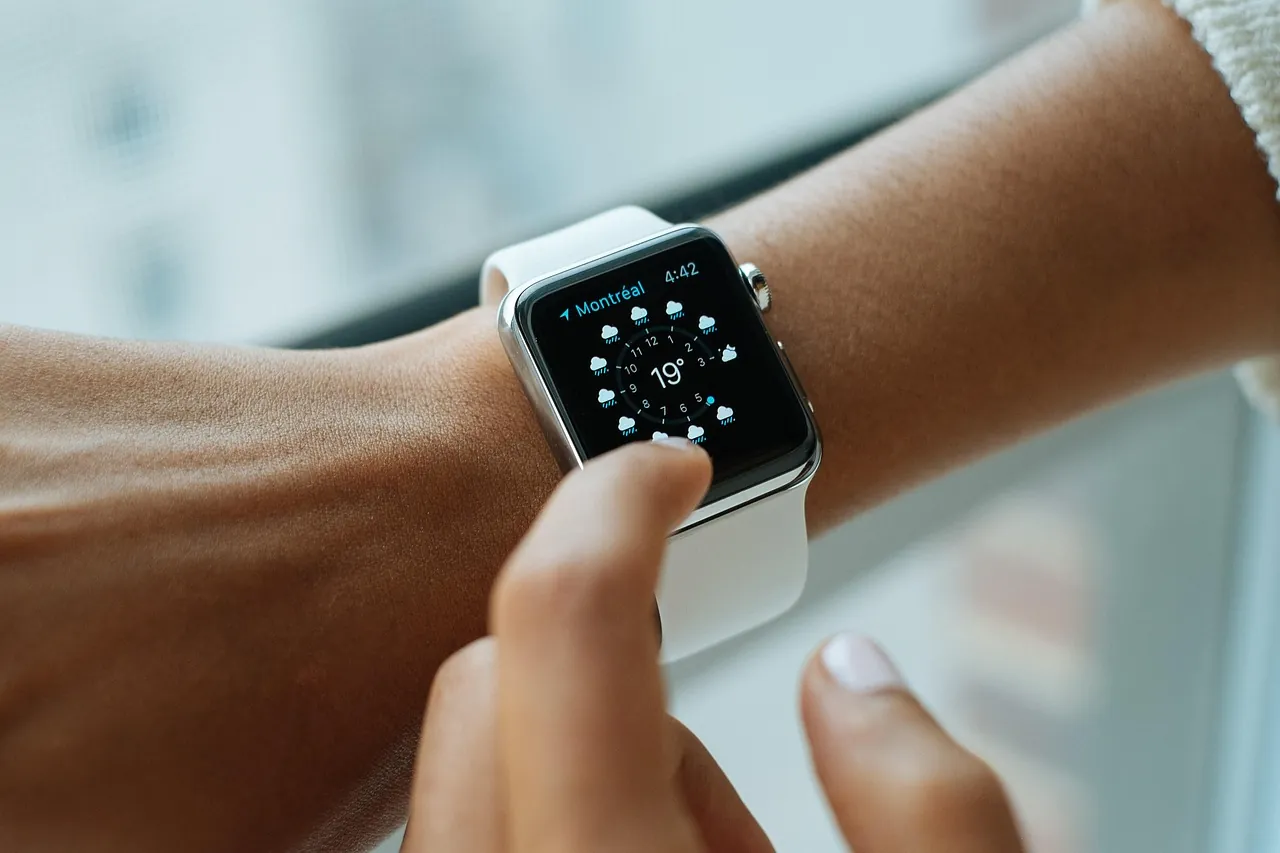
In recent years, wearable technology has evolved from simple fitness trackers to sophisticated devices capable of monitoring various aspects of health. These gadgets, such as smartwatches and fitness bands, now offer features like heart rate monitoring, sleep tracking, and even ECG (electrocardiogram) capabilities.
According to a report by Statista, the number of connected wearable devices worldwide is expected to reach over 1.1 billion by 2024.
This surge is driven by advancements in sensor technology, miniaturization, and artificial intelligence. Companies like Apple, Fitbit, and Garmin have been at the forefront, continuously enhancing the functionality and accuracy of their products. While these developments present numerous benefits for users, they also raise significant concerns around privacy and data security.
Benefits of Continuous Health Monitoring
The appeal of wearable health technology lies in its ability to provide real-time insights into one's physical well-being. With continuous health monitoring, individuals can detect potential issues early and make informed decisions about their lifestyle. For example:
- Heart Rate Monitoring: Devices like the Apple Watch use optical sensors to measure your pulse. This feature not only tracks fitness levels but also alerts users to irregular heartbeats, potentially preventing serious conditions.
- Sleep Tracking: Wearables analyze sleep patterns, helping users improve their sleep hygiene by providing data on sleep duration and quality.
- ECG and Blood Oxygen Levels: More advanced wearables offer medical-grade ECGs and SpO2 readings, aiding in early detection of conditions like atrial fibrillation or sleep apnea.
These functionalities empower users to take charge of their health, reducing the need for frequent doctor visits and promoting preventative care.
Privacy Concerns in Wearable Health Devices
While the benefits are substantial, they come with trade-offs regarding user privacy. Wearables collect vast amounts of sensitive health data, which can be prone to misuse if not properly managed. Some key concerns include:
- Data Ownership: Who owns the data collected by these devices? Users often assume ownership, but terms of service agreements might grant companies rights over this data.
- Data Sharing: There is a risk of unauthorized sharing of health data with third parties, such as insurance companies or advertisers, without explicit user consent.
- Security Breaches: The potential for cyberattacks on health data storage systems can lead to personal information being compromised.
The regulatory landscape is still catching up with these technological advances. Current regulations like the General Data Protection Regulation (GDPR) in Europe provide a framework for data protection, but specific guidelines for wearables remain underdeveloped.
A Case Study: Addressing Privacy through Blockchain
An innovative approach to addressing privacy concerns comes from Medibloc, a South Korean startup that uses blockchain technology to secure health data. By decentralizing data storage, Medibloc ensures that health information is only accessible by authorized parties. Users have control over who accesses their data and for what purpose.
This model represents a shift towards greater transparency and user empowerment, offering a potential blueprint for future developments in the wearable tech industry.
Balancing Accuracy and Privacy
In addition to privacy concerns, accuracy is a critical factor in the efficacy of wearable devices. Manufacturers must ensure that sensors provide reliable data without compromising privacy. Here are some strategies:
- Regular Software Updates: Ensure that your device's software is up-to-date to maintain optimal performance and security patches.
- User Calibration: Encourage users to calibrate devices according to personal metrics for improved accuracy in readings.
- Open Source Protocols: Advocating for open-source sensor protocols can enhance transparency and allow independent verification of data accuracy.
Companies like Fitbit have implemented machine learning algorithms that refine sensor accuracy over time by learning from aggregated user data—balancing personalization with privacy safeguards.
Practical Tips for Users
If you're considering investing in a wearable health device, here are some practical tips to protect your privacy:
- Review Permissions: Carefully review app permissions and settings related to data sharing and storage.
- Understand Terms: Read the terms of service and privacy policies to understand how your data will be used.
- Use Strong Passwords: Enable two-factor authentication where possible to safeguard your accounts from unauthorized access.
Adopting these practices can help mitigate risks while maximizing the benefits of wearable technology.
The Future of Wearable Health Technology
The future of wearable health technology is promising yet complex. Innovations in AI will likely drive more personalized health solutions, while developments in quantum computing could lead to unprecedented processing speeds and analytical capabilities.
As technology progresses, collaboration between tech companies, healthcare providers, and regulatory bodies will be crucial in developing frameworks that protect user privacy without stifling innovation. Initiatives like Apple's commitment to privacy serve as an example for the industry, promoting transparency and user control over personal data.
The journey ahead involves continuous dialogue among stakeholders to balance innovation with ethical considerations. As consumers become more aware of privacy issues, demand for secure and transparent health tech solutions will undoubtedly shape the market.