 TopTopics
The Interplay of Player Choices and Game Mechanics in Open Worlds
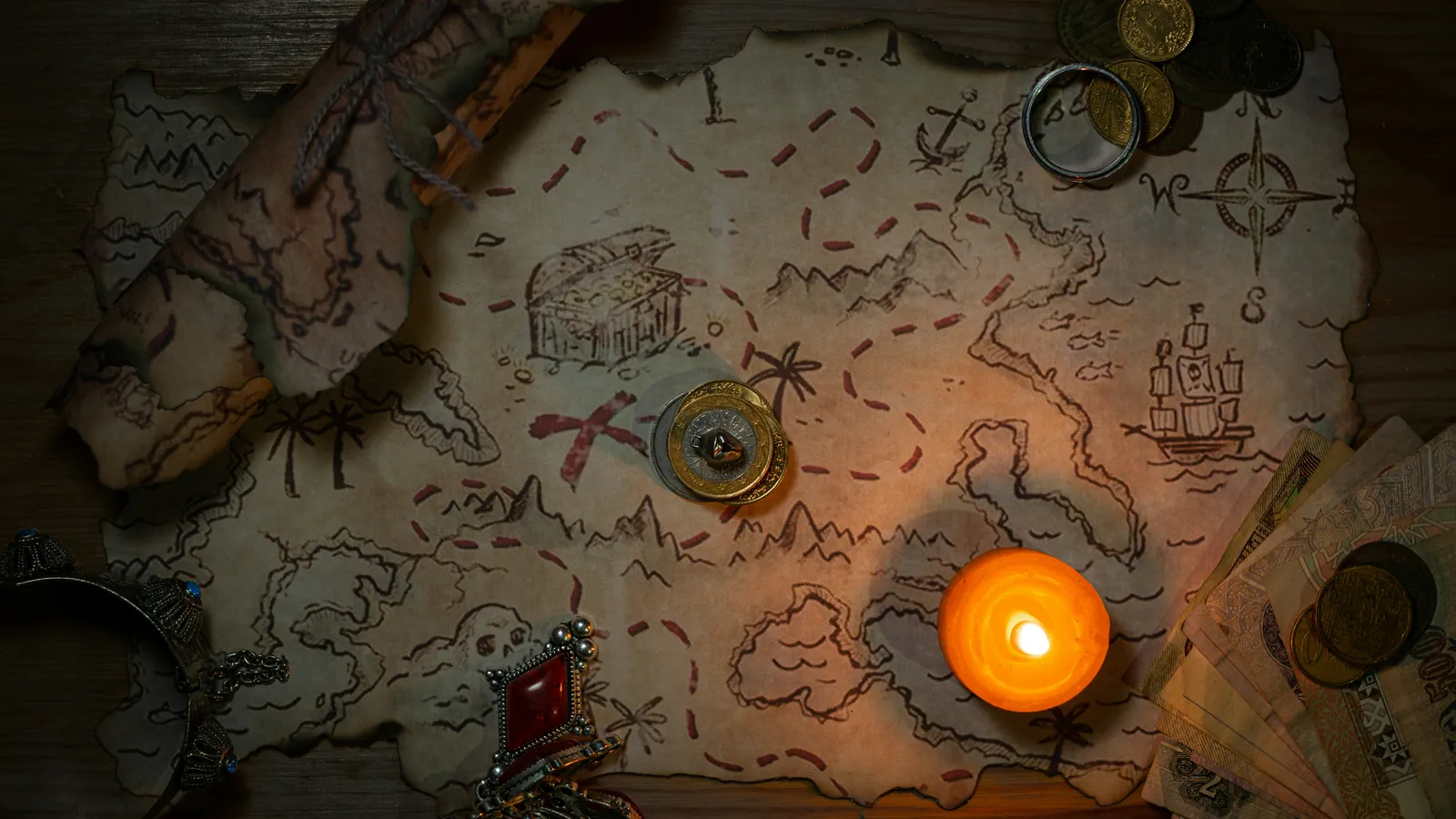
The Evolution of Open-World Games
Open-world games have become a dominant genre in the gaming industry, offering players expansive environments that encourage exploration and experimentation. This freedom is often coupled with complex narratives and player-driven choices, creating deeply immersive experiences.
Over the years, open-world games have evolved significantly, both in terms of technology and design philosophy.
The early days of open-world gaming can be traced back to titles like The Legend of Zelda and Ultima, which allowed players to roam freely within their pixelated worlds. These games laid the groundwork for more sophisticated entries such as Grand Theft Auto III and The Elder Scrolls III: Morrowind, which expanded on player freedom with advanced graphics and intricate storylines. Today, modern classics like The Witcher 3: Wild Hunt and Red Dead Redemption 2 continue to push the boundaries, offering rich narratives and highly interactive worlds.
Mechanics Influencing Player Choice
Central to the allure of open-world games is the idea that players can make choices that impact the game world. These decisions can range from dialogue options affecting relationships with NPCs to strategic decisions impacting world events. Let's delve into some core mechanics that influence these choices.
Quest Design and Branching Narratives
A pivotal aspect of open-world games is their quest design. In contrast to linear games where players follow a predetermined path, open-world titles often provide multiple quests with branching outcomes. This design not only enhances replayability but also allows players to mold their unique stories.
For instance, in The Witcher 3: Wild Hunt, quests are intricately woven into the main storyline and can branch out depending on the player's actions. Making a particular decision might lead to an ally becoming an enemy or unlocking a new questline altogether.
Environmental Storytelling
The environment in an open-world game serves as more than just a backdrop. It tells a story of its own, often reflecting the consequences of player choices. Environmental storytelling can guide players subtly through its narrative elements scattered across the world.
A prime example of this is seen in Red Dead Redemption 2, where landscapes evolve based on the player's honor level. Choose a path of lawlessness, and townsfolk may react with fear or hostility, while honorable actions could lead to warmer receptions.
Comparing Approaches to Player Freedom
Despite sharing common elements, open-world games vary greatly in how they implement player freedom. Let's explore different approaches using well-known titles as examples.
Sandbox Versus Narrative-Driven Worlds
Sandbox games emphasize player creativity and interaction with the game world without imposing strict narrative constraints. Titles like Minecraft are perfect exemplars, offering near-limitless possibilities for building and exploration without a guided storyline.
Conversely, narrative-driven open-world games like The Witcher 3: Wild Hunt balance freedom with structured storytelling. While players enjoy vast landscapes to explore at will, the game's rich narrative threads ensure an engaging experience that progresses alongside player actions.
The Role of Emergent Gameplay
Emergent gameplay arises when players use game mechanics in unanticipated ways, often leading to unique stories or problem-solving methods not directly intended by the developers. This aspect is particularly prominent in sandbox-style games such as Breath of the Wild, where physics-based mechanics allow for inventive solutions to challenges.
Procedural Generation vs. Handcrafted Worlds
Some games employ procedural generation to create expansive worlds, allowing for infinite exploration and unique experiences each playthrough. However, this can sometimes result in less detailed environments compared to handcrafted ones.
In contrast, games like The Elder Scrolls V: Skyrim boast carefully crafted worlds filled with intricate detail and story. Handcrafting enables developers to weave deeper narratives into every corner of the map.
The Impact on Player Engagement
Ultimately, the interplay between player choice and game mechanics profoundly influences player engagement and satisfaction. Players often report a greater sense of agency when their decisions visibly alter the game world. This agency can lead to stronger emotional connections and increased investment in the game's narrative and characters.
Furthermore, offering meaningful choices encourages players to consider the consequences of their actions, fostering strategic thinking and engagement. By balancing freedom with guidance, developers can create experiences that resonate long after the final credits roll.
Practical Tips for Game Developers
- Balance Freedom with Structure: While open-ended gameplay is attractive, providing structure through compelling narratives ensures players remain engaged.
- Implement Meaningful Consequences: Ensure player choices lead to tangible outcomes within the game world, enhancing replayability and personal investment.
- Leverage Environmental Storytelling: Use the game world to convey narratives subtly, encouraging exploration and discovery.
In conclusion, open-world games thrive on their ability to offer unparalleled freedom while still guiding players through immersive narratives. The successful interplay of player choice and game mechanics not only defines the genre but also elevates player experiences to new heights, ensuring that these virtual worlds remain inviting landscapes ripe for exploration.