 TopTopics
effective strategies for inviting families to join your stargazing night
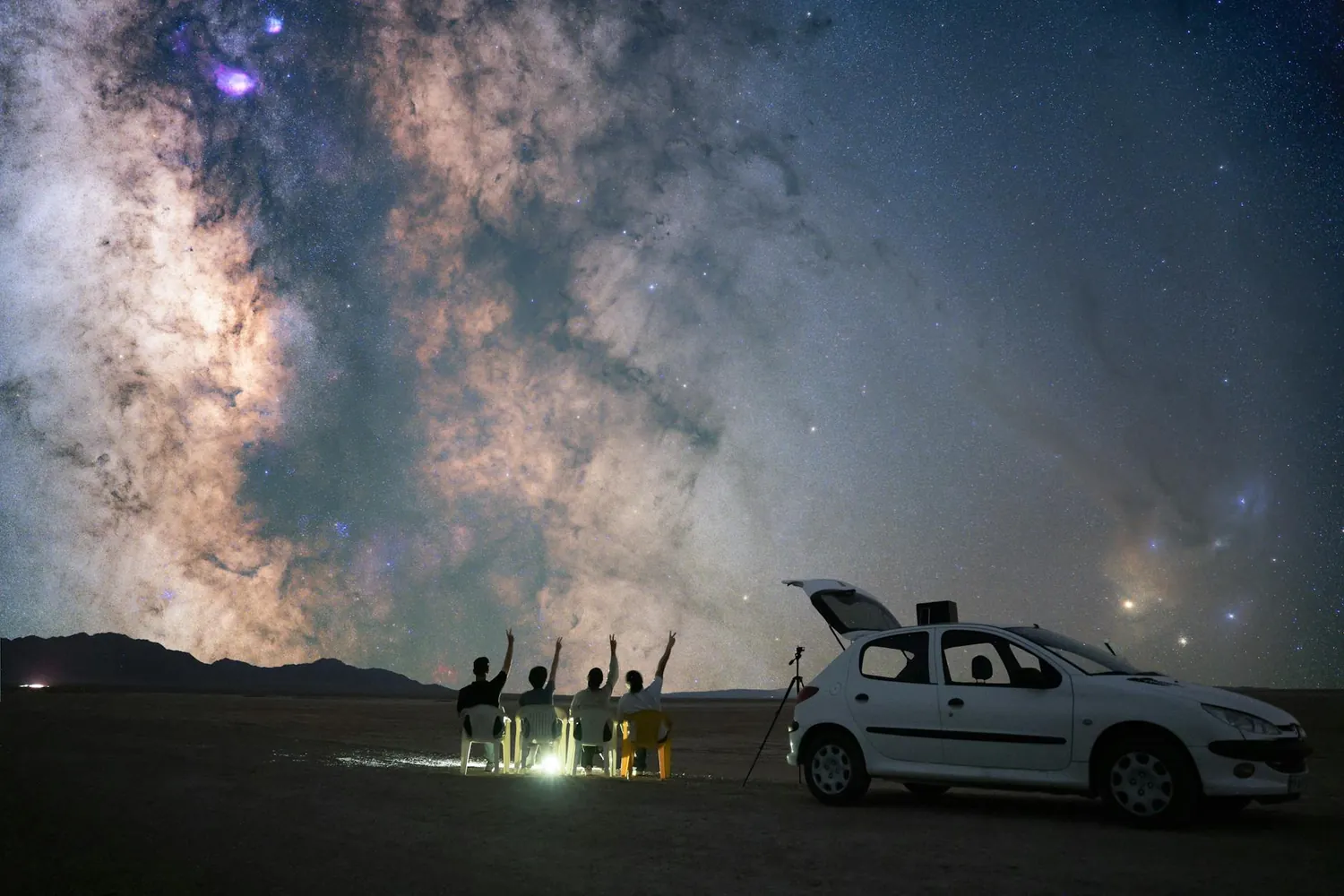
Planning a Memorable Stargazing Night
Hosting a stargazing night in your backyard can be a magical experience for families, providing an opportunity to connect with the cosmos and each other. Organizing such an event involves careful planning and consideration of various factors to ensure that it is both educational and enjoyable for all ages.
Selecting the Right Equipment
Choosing the right telescopes and viewing equipment is crucial for a successful stargazing night. Depending on your budget and the age range of participants, you may opt for different types of telescopes and accessories.
Telescopes: Reflectors vs. Refractors
Reflector Telescopes use mirrors to gather light. They are often more affordable and can provide excellent views of deep-sky objects like galaxies and nebulae. However, they require regular maintenance, such as mirror alignment, which might be cumbersome for beginners.
Refractor Telescopes, on the other hand, use lenses and are generally more durable with less maintenance needed. They offer sharp views of planets and the moon but can be pricier per inch of aperture compared to reflectors.
For families new to stargazing, starting with a refractor telescope might be less intimidating due to its ease of use and lower maintenance requirements. As interest grows, consider investing in a reflector telescope for deeper exploration.
- Pros of Reflectors: Affordable, great for deep-sky observations.
- Cons of Reflectors: Maintenance required, bulkier design.
- Pros of Refractors: Low maintenance, portable, good for planetary views.
- Cons of Refractors: More expensive per inch of aperture.
Creating Engaging Viewing Stations
To make the night truly engaging, setting up multiple viewing stations can enhance the experience. Each station can focus on different celestial objects or themes, catering to diverse interests and age groups.
The Moon Station
Equip this station with a refractor telescope aimed at the moon. Provide binoculars as an alternative for younger children who may find telescopes difficult to manage. Encourage participants to sketch their observations on paper, noting craters and surface features.
Planetary Station
This station can focus on visible planets like Jupiter or Saturn. Utilize apps like Stellarium or SkySafari to help guests locate planets in the sky. Offering smartphone adapters for telescopes allows families to capture photos of these planets, creating memorable takeaways from the night.
Preparing Educational Materials
Education can be seamlessly integrated into fun activities that keep children engaged while providing valuable learning experiences.
Star Charts and Sky Maps
Create simple star charts and sky maps to guide participants in identifying constellations and prominent stars. Distribute glow-in-the-dark star stickers for children to create their own constellation maps, enhancing their understanding of celestial patterns.
Storytelling and Mythology
Engage families with stories and myths associated with various constellations. Narratives about Orion or Cassiopeia can captivate children’s imaginations and encourage them to look deeper into the sky.
Activities to Spark Curiosity
Incorporating interactive activities can turn a simple stargazing session into an unforgettable adventure.
- Telescope Building Workshop: Conduct a DIY telescope-building session using inexpensive kits available online. This hands-on activity allows children to understand the workings of a telescope while fostering teamwork.
- Astronomy Crafts: Provide materials for crafting projects like making a solar system model or designing planet-themed keychains. These crafts allow children to creatively express their understanding of space concepts.
Catering to Different Age Groups
A successful stargazing night should cater to a broad range of age groups, ensuring that everyone feels involved and valued.
- Toddlers and Young Children: Use simpler language when explaining celestial events and incorporate games like 'find the shooting star'. Craft activities should be supervised but allow creative freedom.
- Teens: Engage them with tech-savvy approaches like using augmented reality apps that overlay constellations on live sky views through smartphones.
Final Thoughts
Organizing a stargazing night is not just about observing the stars but also about cultivating a sense of wonder and curiosity about our universe. By selecting appropriate equipment, creating engaging viewing stations, preparing educational materials, and including activities tailored for all ages, you can ensure that your family stargazing event is both educational and memorable. Whether it's the first glimpse of Saturn's rings or a newfound appreciation for constellation stories, these moments will inspire lasting interest in astronomy.