 TopTopics
Exploring the Connection Between City Gardens and Emotional Resilience
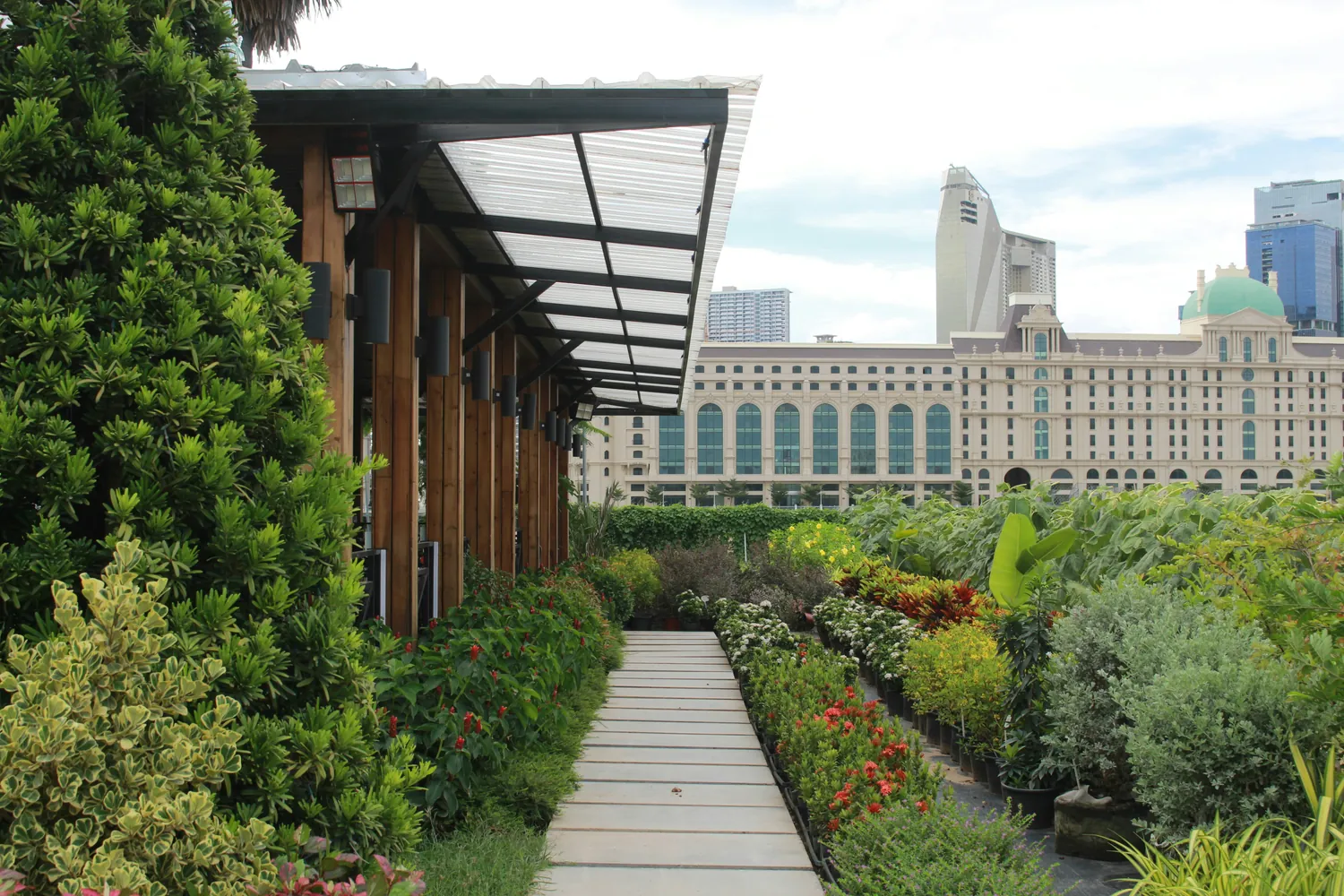
The Urban Gardening Movement
Urban gardening is not just a trend; it’s a transformative approach to enhancing mental well-being in densely populated areas. As cities continue to expand, green spaces often shrink, leaving residents craving connection with nature.
This yearning has given rise to community gardens, rooftop gardens, and vertical plant installations that are sprouting up in cities around the globe.
These gardens are more than just aesthetic enhancements; they serve as vital communal resources that promote mental health and emotional resilience among city dwellers. But how exactly do these patches of green impact our well-being?
Gardening as a Stress Reliever
Research indicates that engaging in gardening can lead to a 36% reduction in stress levels. This isn’t just anecdotal; several studies have documented how the act of tending to plants helps reduce cortisol levels—a primary stress hormone—while increasing feelings of tranquility and satisfaction.
For instance, a survey conducted in Chicago among urban gardeners found that individuals who regularly worked in their gardens experienced a significant drop in stress compared to those who did not engage with such activities. Participants reported feeling more relaxed and centered after spending time with their plants.
The Science Behind Plants and Stress Reduction
The mechanisms behind the stress-relieving power of gardening are multifaceted:
- Physical Activity: Gardening involves moderate physical activity, which boosts endorphin production and improves mood.
- Mindfulness: Tending to a garden requires attention and presence, similar to meditation, which reduces anxiety.
- Aesthetic Pleasure: The visual appeal of plants and flowers triggers positive emotional responses and lowers blood pressure.
These benefits are backed by numerous studies demonstrating that even brief interactions with nature can lead to measurable improvements in mental health.
Creating a Sanctuary: Steps to Start an Urban Garden
Starting an urban garden may seem daunting, but breaking it down into manageable steps can make it accessible for everyone, regardless of space or experience:
- Assess Your Space: Determine what type of garden fits your living situation—whether it's a windowsill herb garden or a rooftop vegetable patch.
- Select Your Plants: Choose plants that suit your environment and level of commitment. Beginners might start with low-maintenance species like succulents or herbs.
- Gather Materials: Obtain necessary supplies such as soil, pots, and tools. Local garden centers or online stores can be great resources.
- Create a Routine: Set aside regular time for your garden. Consistency is key to both plant growth and enjoying the mental health benefits.
Case Study: Community Gardens Enhancing Well-being
In New York City, the Battery Urban Farm initiative has not only provided fresh produce for local residents but also offered therapeutic benefits for participants. By fostering community interaction and providing educational workshops, this garden has become a sanctuary for urban residents seeking peace and community in the heart of the city.
Engaging with Nature: A Pathway to Emotional Resilience
Emotional resilience refers to the ability to adapt to stressful situations or crises. Gardens offer a unique way to cultivate this resilience by fostering a sense of control, purpose, and connection. When individuals nurture plants, they experience direct consequences of care and attention, reinforcing the idea that effort leads to tangible results.
This hands-on involvement empowers individuals, giving them a break from the often intangible stressors of city life. In essence, urban gardens act as microcosms where one can practice problem-solving and reap rewards, boosting confidence and resilience in everyday life.
Practical Tips for Enhancing Well-being Through Gardening
If you’re considering starting a garden or want to enhance your current gardening practices for better mental health, here are some practical tips:
- Set Achievable Goals: Start small to avoid feeling overwhelmed. Celebrate small successes to stay motivated.
- Document Your Journey: Keep a gardening journal. Recording progress provides perspective on growth and fosters appreciation for incremental achievements.
- Connect with Fellow Gardeners: Join local gardening groups or online forums to share tips, challenges, and victories. Community support can significantly enhance your gardening experience.
Conclusion: Cultivating Calm in Concrete Jungles
Urban gardening is much more than a hobby; it’s a crucial component in building emotional resilience in cities worldwide. By creating green spaces in our urban environments, we not only improve the aesthetics but also bolster mental health and social cohesion.
The connection between gardening and improved well-being is clear: through the simple acts of planting, nurturing, and harvesting, individuals find calm amidst chaos. In embracing urban gardening, city residents cultivate not just plants but also stronger communities and healthier lives.